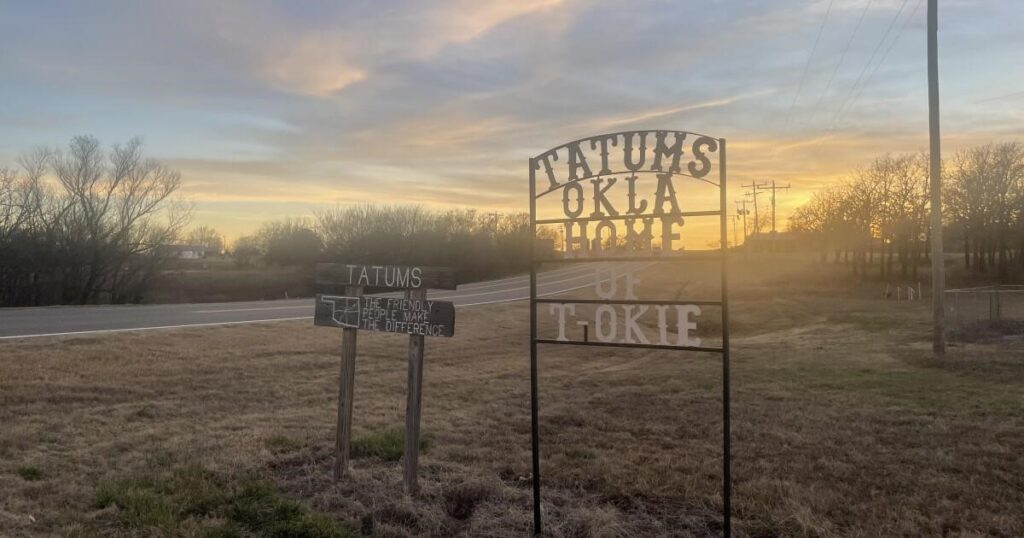
The story of Tatums is rooted in determination, independence, and opportunity. Established in the late 19th century, Tatums grew from a small settlement into a close-knit community shaped by agriculture, faith, education, entrepreneurship, and family.
As one of Oklahoma’s historically All-Black towns, Tatums holds an important place in the history of African American settlement in the American West. For more than a century, generations of residents have preserved the town’s traditions, welcomed visitors, and carried forward a proud legacy of resilience and self-sufficiency.
Explore the journey of Tatums from its early beginnings to the vibrant rural community it is today.
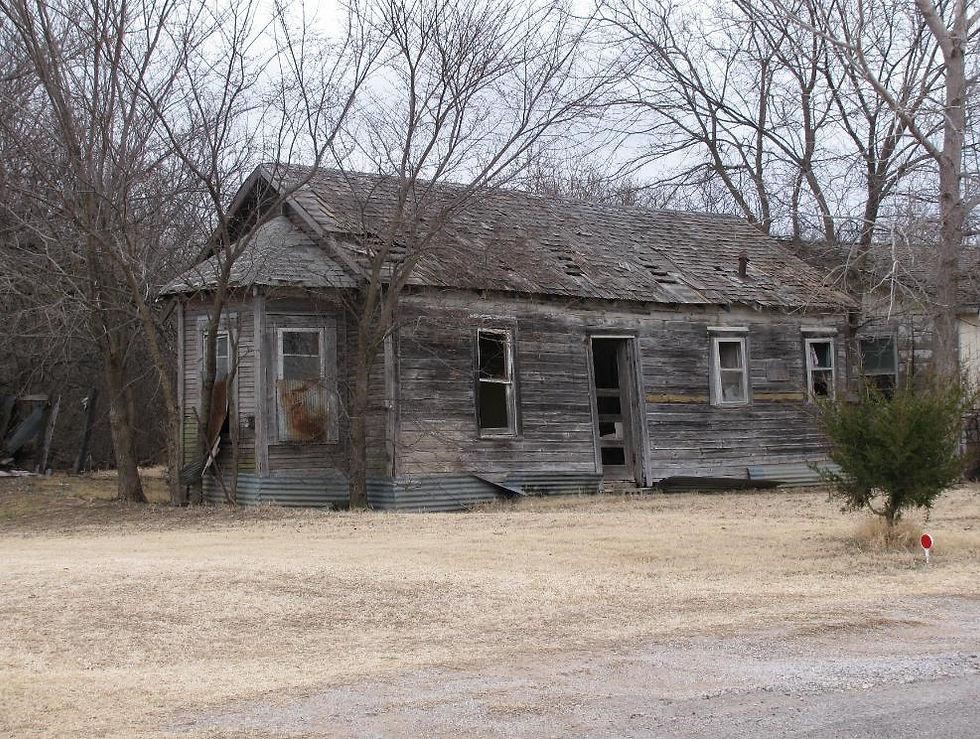
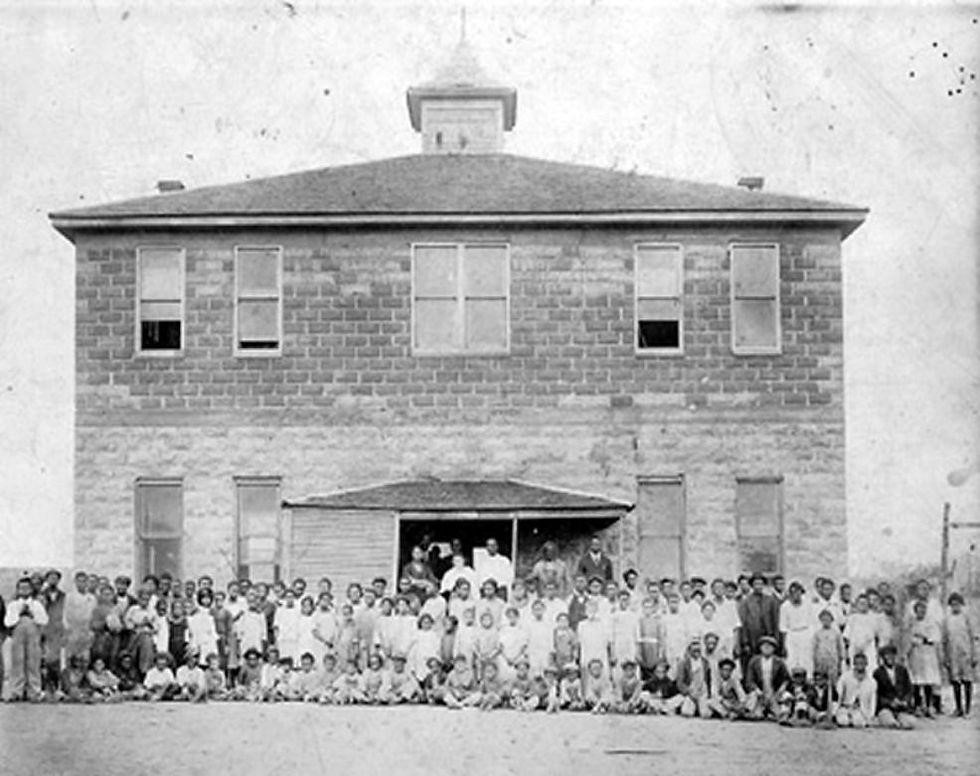
Tatums was also appointed United States Marshall. Henry Taylor owned the biggest home in the community and had a room for travelers to stay overnight. A church and school were soon established.
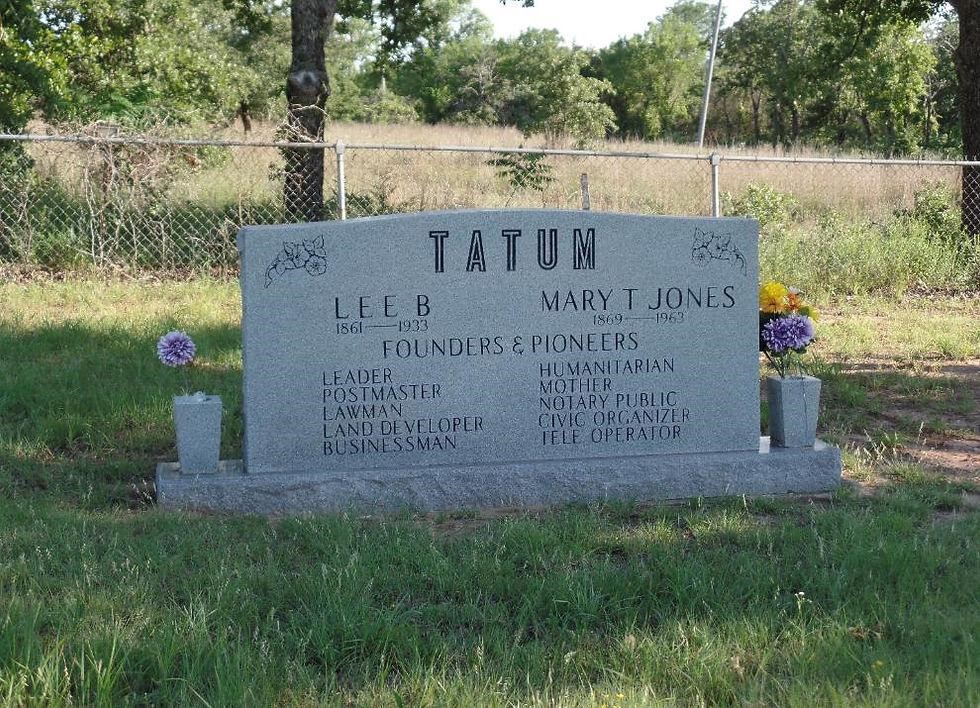
Lee Tatums and his wife, Mary, applied for a post office in 1895, beginning the town of Tatums, Indian Territory. Along with a post office, the Tatums sold groceries from one corner of their house to supply the needs of the surrounding community.
Like many rural communities across Oklahoma, Tatums faced economic challenges during the Great Depression and periods of changing agricultural conditions. Despite those hardships, residents remained committed to preserving the town’s traditions, values, and strong sense of community pride.
During the early and mid-20th century, Tatums developed into a thriving rural farming and ranching community. Families worked the land, raised cattle and other livestock, and supported local stores, schools, churches, and family-owned businesses.
Community life centered around worship services, school activities, social gatherings, and celebrations. Neighbors relied on one another and worked together to provide for their families and strengthen the town.
Preservation efforts also brought greater recognition to Tatums as one of Oklahoma’s remaining historic All-Black towns. Its history represents an important chapter in the broader story of Black land ownership, western settlement, agriculture, and community development.
Community revitalization efforts led by the T-Okie Civic and Social Club of Tatums, OK and the T-Okie Civic and Social Club of Oklahoma City Okla, two chapters of the T-Okie Club Non-Profit Organization, started attracting crowds to come visit Tatums and peaked the interest of others to move in.
As employment opportunities and population shifted toward larger cities, many small rural towns experienced significant change. Tatums, however, remained an enduring symbol of Oklahoma’s African American heritage and the determination of its early settlers.
Former residents, families, and descendants continued returning home for reunions, church gatherings, celebrations, and cultural events. These traditions helped maintain strong connections between generations and ensured that the stories of Tatums continued to be shared.
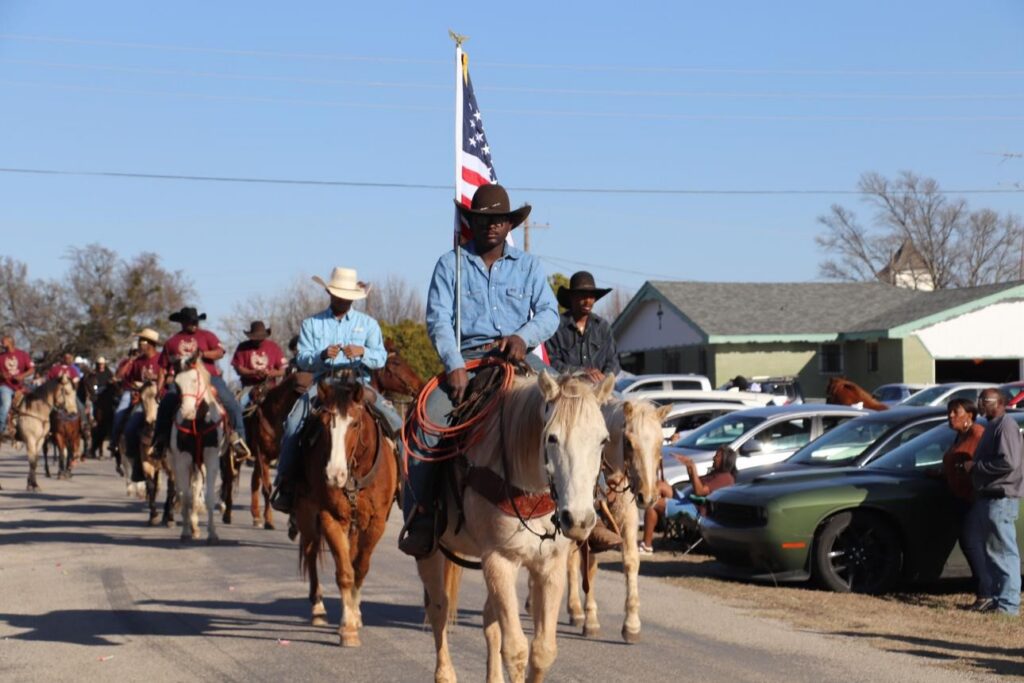
Modern tourism initiatives, community improvement projects, and local businesses are helping introduce a new generation to the culture and history of Tatums. Ranching and agritourism ventures, including Harvey World Ranch, contribute to the town’s growing reputation as a destination for western events, outdoor recreation, and authentic rural experiences.
As Tatums moves forward, the town remains committed to celebrating its heritage, strengthening its community, and preserving its remarkable story for generations to come.
Today, Tatums continues to honor its history while building toward the future. Community celebrations, trail rides, rodeos, festivals, historical programs, church events, and family reunions bring residents and visitors together throughout the year.
Visitors are drawn to Tatums for its welcoming atmosphere, peaceful rural landscape, western heritage, and the enduring community spirit that has defined the town for generations.